
Septic vs Sewer in North Carolina: Which Is Better for Your Home?
Neither one wins everywhere. A septic system has no monthly sewer bill, but you pay for its upkeep and, someday, drain field work. Public sewer is a monthly bill, plus the cost to connect. Which costs less depends on where your house sits and how the septic system has been kept.
This is a real choice in North Carolina. NC State Extension says nearly 50 percent of the state’s homes have septic systems. They are used in every county. If your home is one of them, septic system maintenance is the part of the bill you control.
What is the difference between septic and sewer?
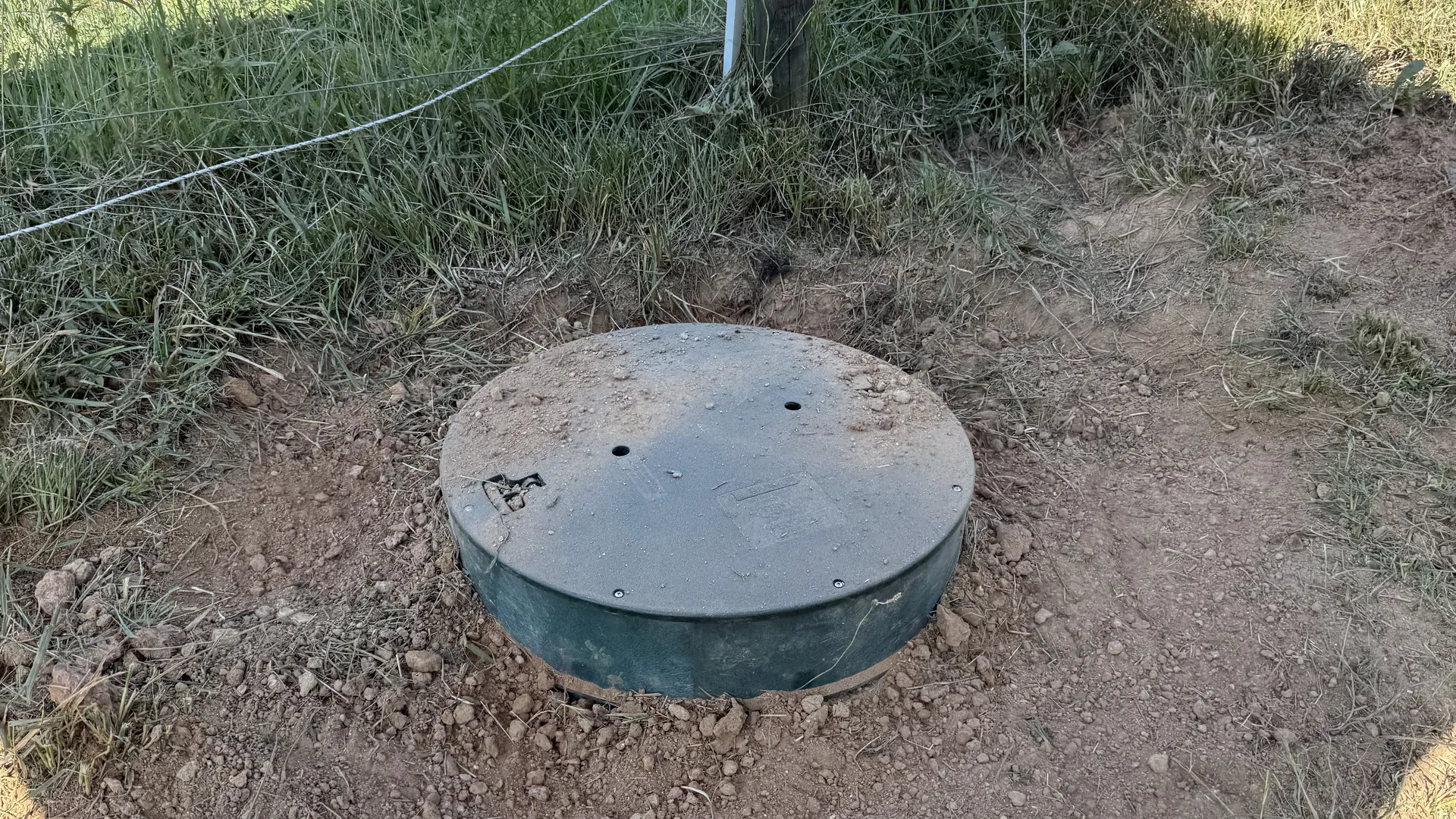
A septic system treats your wastewater on your own lot. Wastewater flows into a buried tank, where solids settle. The liquid moves on to a drain field, and the soil around the drain lines absorbs it.
Public sewer pipes the same wastewater away to a treatment plant that a town or county utility runs. The EPA says septic systems serve suburban and rural homes that public sewer does not reach. By the EPA’s count, more than one in five U.S. households depend on septic or small cluster systems.
A quick way to tell which one you have is your utility bill. The EPA says a home on septic shows a $0.00 charge for wastewater or sewer services. Some septic homes get no utility bill at all.
How do septic and sewer compare on cost and upkeep?
The table lines them up. The septic side uses EPA guidance. The sewer side uses a statewide rate survey and North Carolina law, because each town or county sets its own sewer charges.
| Compare | Septic system | Public sewer |
|---|---|---|
| Utility bill | $0.00 for sewer, or no bill (EPA) | A sewer charge set by the town or county; the 2026 statewide average was $60.10 a month at 5,000 gallons (UNC Environmental Finance Center) |
| Cost to get started | No connection charge | Connection charges set by the city or county, plus underground piping to the house |
| Where wastewater is treated | Your tank and drain field | The utility’s treatment plant |
| Routine upkeep | Inspected at least every 3 years, typically pumped every 3 to 5 years (EPA) | The utility runs the plant and the sewer mains |
| How long it lasts | A concrete tank may last 50 years or more; start planning an upgrade past 25 to 30 years (EPA) | The plant and the mains belong to the utility |
| Rules that can change | A city may require a connection within a reasonable distance of its line | Connection charges and the service charge are set locally |
For septic costs, see what septic tank maintenance costs in North Carolina and what a septic inspection costs. Septic Samurai does not pump tanks; we refer pump-outs to a pumping company.
For the sewer side, the UNC Environmental Finance Center surveyed 467 North Carolina utilities in 2026. The average residential wastewater bill was $60.10 a month at 5,000 gallons, or about $720 a year. Your town’s rate and its connection charges are set locally, so ask your utility for both numbers.
How many North Carolina homes are on septic instead of sewer?
Nearly 50 percent, by NC State Extension’s count. Where you live decides which side you land on. The 2023 Local Water Supply Plans posted by the NC Division of Water Resources show the split.
- Out in the county: Davie County’s public water system reported 8,000 connections on septic and 2,480 sewer connections. That is more than three septic connections for every sewer connection.
- Inside a town: the Town of Mount Pleasant in Cabarrus County reported 948 sewer connections and 181 on septic. That is about five sewer connections for every septic one.
In those two plans, sewer leads inside the town system and septic leads out in the county.
Can a North Carolina town make you hook up to sewer?
Sometimes. North Carolina law lets cities and counties require a sewer connection, with limits.
Under G.S. 160A-317, a city may require owners of developed property to connect. That covers property inside city limits and within a reasonable distance of a city water or sewer line. The city may also set charges for the connection.
The same law exempts an owner from a required sewer connection in cases like these:
- The city does not have the capacity to carry and treat your wastewater when you would connect.
- Connecting, including the underground piping to the building, would cost more than installing an on-site wastewater system.
For that cost test, the law names who assesses the costs:
- a licensed soil scientist
- a certified on-site wastewater contractor
- a licensed plumbing contractor
Instead of requiring a connection, a city may bill a periodic availability charge. That charge cannot be more than the minimum periodic service charge that connected properties pay.
Counties have a similar power under G.S. 153A-284. A county may require owners of developed property served by a county line to connect, and may set connection charges. It may require a sewer connection only if it has adequate capacity to carry and treat the wastewater.
The statutes hold more detail than this summary, and local ordinances add their own. Check with your town or county utility before you decide anything. Septic Samurai does not do sewer hookups; a plumber and the utility handle a sewer tap.
Should you restore a failing drain field or connect to sewer?
Slow drains, gurgling, wet spots over the field and sewage odors are signs to get the system checked. If a sewer line runs near your house, connecting can look like the only way out. Where your town does not require it, find out first whether the field can be restored.
The EPA points to the biomat in older fields. In a field over 25 to 30 years old, the natural biomat in the bottom of the trenches can thicken. That cuts the field’s ability to discharge wastewater.
Our drain field restoration works from inside the tank you already have. An aeration and bacteria unit gives natural bacteria oxygen. They digest the biomat that clogs the soil, so the field can take water again. Nothing is replaced or expanded, and most installs are finished in a day.
A septic system inspection shows whether restoration fits your system. We look at the tank and the field first. We do not do real-estate inspections; in North Carolina those need a state-certified inspector.
If the field cannot be restored, get prices for both paths. Market prices for a new field are in what drain field replacement costs in North Carolina. We do not replace drain fields, so we refer that work out.
How do you keep a septic system worth keeping?
Upkeep on a schedule. The EPA says the average household system should be inspected at least every three years. NC State Extension adds that even a septic system waiting on sewer lines needs special care and maintenance.
Our septic system maintenance plan is built around systems running drain field restoration. Year one comes with the install: three visits, at about 30 days, 6 months and 1 year. After that it is two visits a year. Once the system is stable, it drops to one visit a year with an annual bacteria treatment.
Every visit checks the unit and the air pump and cleans the effluent filter. It also inspects the tank and drain field and adds bacteria. Based in Statesville, Septic Samurai serves homes within about 50 miles. The on-site evaluation is free. Call or text (980) 291-3805.